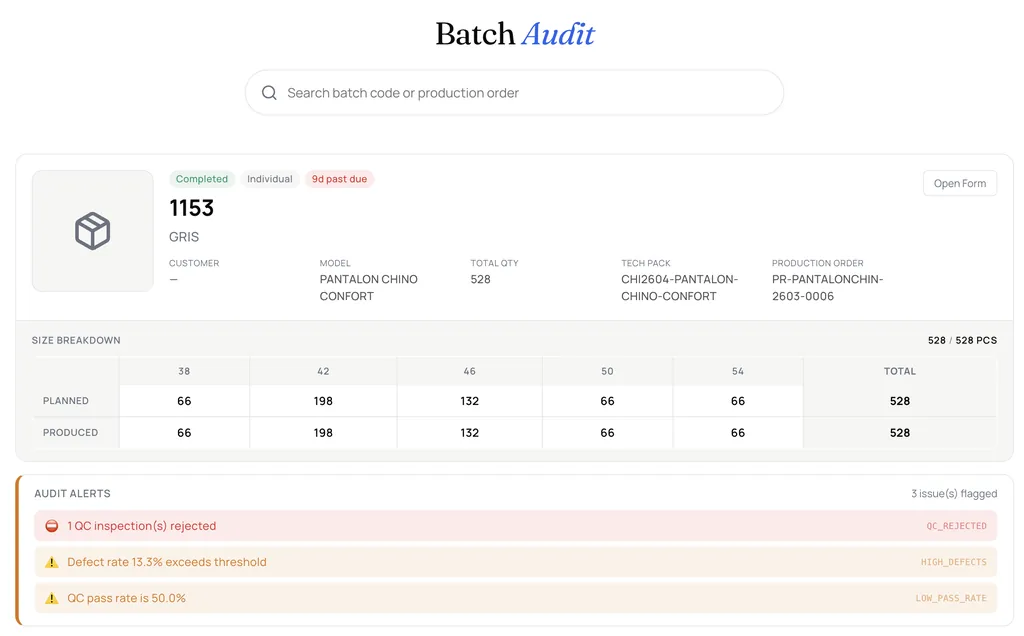
GarmentFlow ERP · Audits and traceability
When the buyer's auditor asks, the answer is on the screen
Fashion companies audit their factories constantly, and every audit asks a question that crosses departments: this order, that operator, those hours, this roll of fabric. With HR in one program, production in another and accounting in a third, answering takes a week — and produces a figure nobody can verify. On one database it is a screen.
One place
One system, not four that don't speak
Most factories run separate software for people, for the floor and for the books, and a spreadsheet to reconcile them. Every audit question falls across the joins. Here there are none: one database holds the order, the batch, the operator, the roll and the ledger entry — the answer is a report, not a reconciliation somebody has to defend.
The whole chain
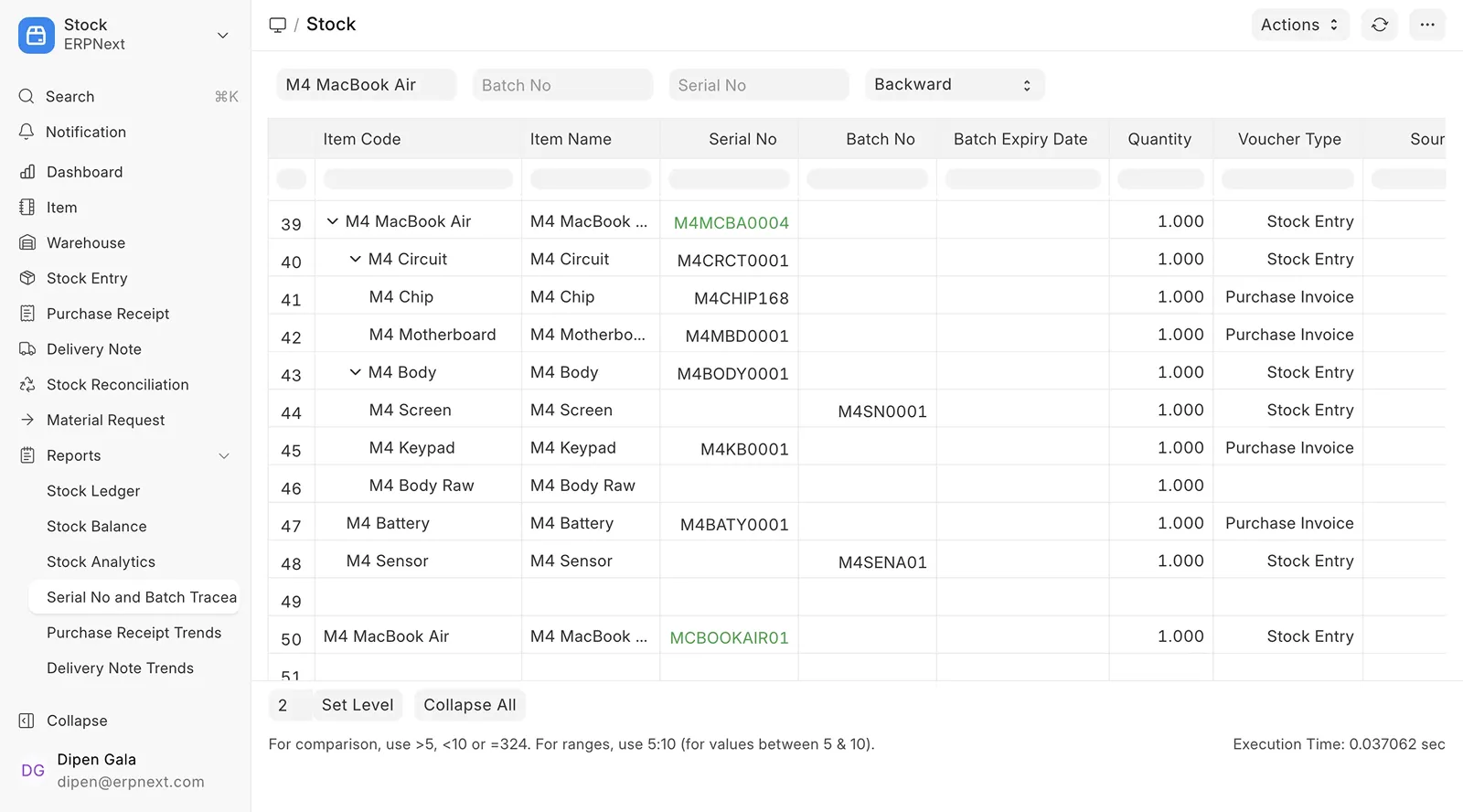
Their purchase order, all the way down to the roll
Confirming the buyer's PO opens the production order and the fabric requirement, so the thread starts at the document they sent you rather than at something retyped from it. From there: batches, bundles, the operator and machine on each operation, and the rolls it was cut from, back to the mill certificate — attached to the material, not filed in a drawer. It reads forward too — from a suspect lot, the affected cartons and customers are a filter, so a recall narrows to the bundles that carry the problem instead of a season.
CHV2702
B
A is the lowest impact
- Composition98% cotton, 2% elastane
- OriginCapiatá, Paraguay
- CertificationsOEKO-TEX · BCI
- Durability 85
- Material health 100
- Recyclability 88
- Footprint 69
- Mill lot
- Roll
- Batch
- Operation
- Carton
- Worn
Digital Product Passport
The same chain, turned outward — TraceIt!
Every tech pack carries a public passport, and it builds itself from the spec you already wrote. Print the QR on the hangtag and the person wearing the garment reads how it was made; send the link and a brand's sustainability questionnaire is answered in one message.
How the passport is built →
Across departments
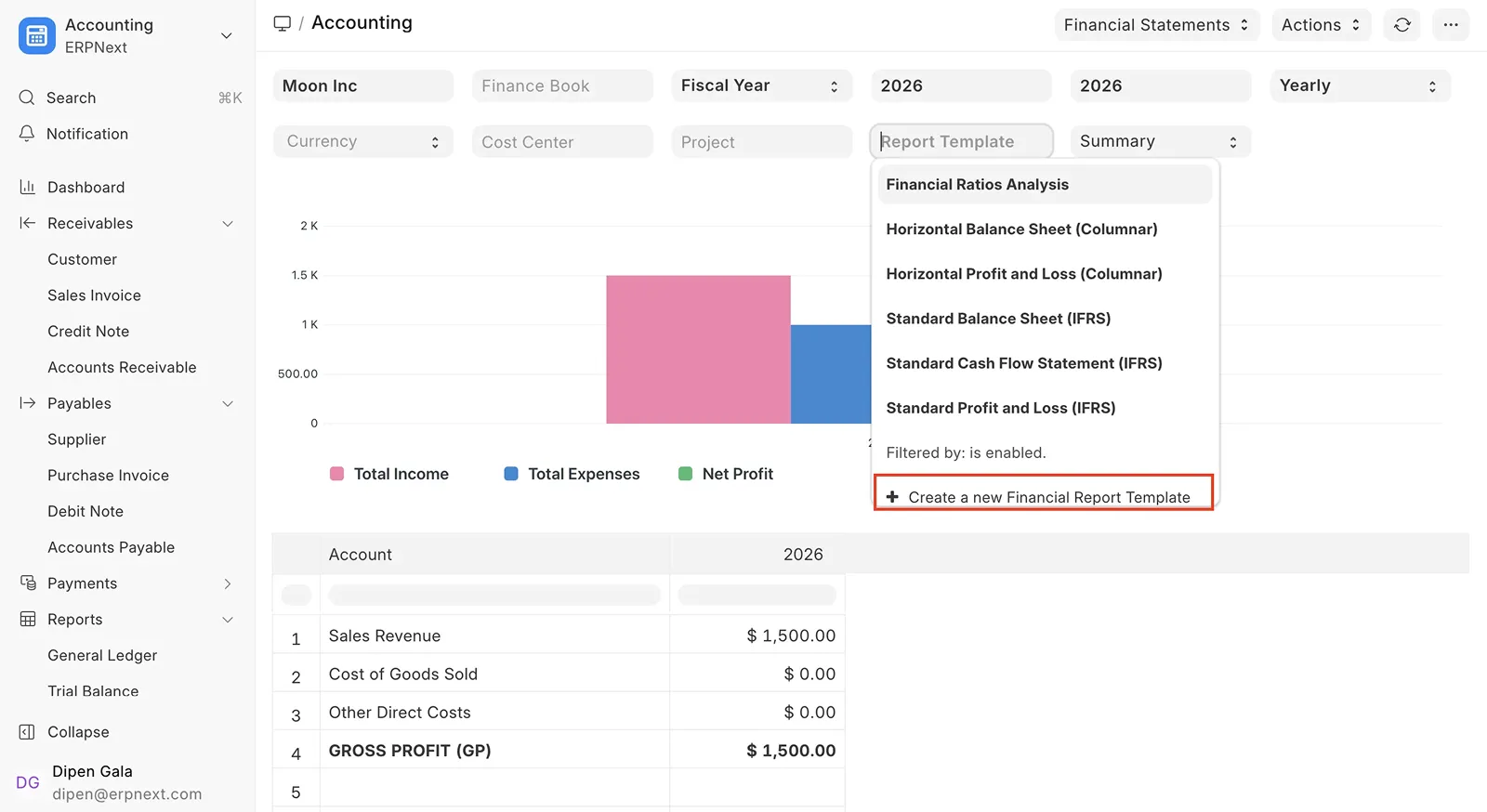
See what people cost the order they worked on
Batch cards record who did which operation, on which batch, and how many pieces. That is the payroll, the labour cost of the batch and the ledger entry — one record read three ways, not three systems reporting totals that never agree.
Three kinds of audit
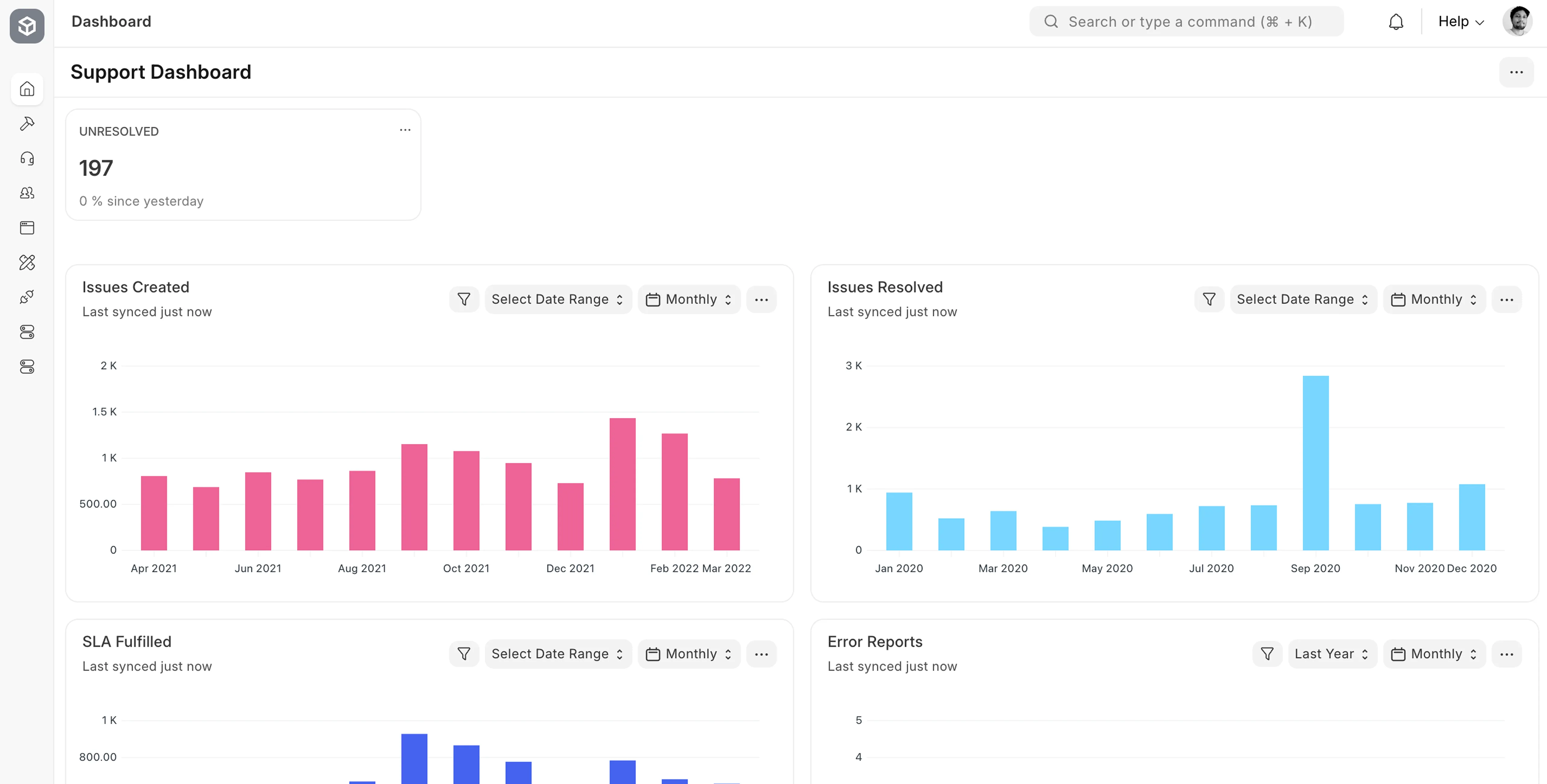
ISO, customer compliance and sustainability, from one set of records
ISO 9001 wants controlled documents, training records and non-conformances that close — every document here carries who changed it and when, so approvals are recorded rather than remembered. A compliance audit wants hours, wages against piece rates, and the chain from their PO to the carton. A sustainability audit wants fuel, electricity, fabric by weight, freight and waste. Three auditors, one factory that recorded the work as it happened.
What a sustainability audit asks for →
92% compliance
A large international retailer's audit of HR records, quality and raw material traceability. INDOPAR was recertified for ISO 9001 last October — linked purchase orders, invoices and quality traceability made it straightforward. A buyer's traceability request now takes about 15 minutes to answer.
Where the evidence comes from
Traceability is not a module you switch on. It is what you get when the order, the floor, the store, the people and the ledger are one system — the scans on the line and the roll numbers in the store are already the audit trail.
Questions
Does this pass our ISO or customer compliance audit for us?
No — an auditor still audits. It gives them what they ask for as a report instead of a folder: controlled documents and their change history, training records, non-conformances, hours and wages, and the chain from the buyer's PO to the carton.
What is a Digital Product Passport, and do we have to maintain it?
A public page per style — fabric, composition, origin, manufacturing, certifications, care and an eco rating — reached by a QR on the label or by a link you send. It builds itself from the tech pack, so there is nothing extra to maintain.
We keep HR, production and accounts in separate systems.
That is the thing audits are expensive to answer. Here they are one database, so a question that crosses all three is a report rather than a week of assembling numbers nobody can verify.
Priced by the size of your factory, not per user
Unlimited users on unlimited devices, every plan.
- Studio $179
- Factory M $450
- Factory L $900
- Factory XL $1,800
- Enterprise talk to us
Book a walkthrough
See your factory in GarmentFlow ERP.
Twenty minutes, no slides, a real factory's data on screen. We reply within one business day.
Faster on WhatsApp?
Message us →