GarmentFlow ERP · Emissions and waste
Measure what the factory emits, where it happens
INDOPAR holds LEED Platinum at 87 points — the first textile factory in Latin America to do so — and ISO 9001. Those certifications belong to the building and to the way the company runs it; no software earns them. What the system does is supply the numbers underneath: the fuel, electricity, materials, freight and waste behind every order, in the categories the GHG Protocol calls Scope 1, 2 and 3.
Scope 1
What you burn
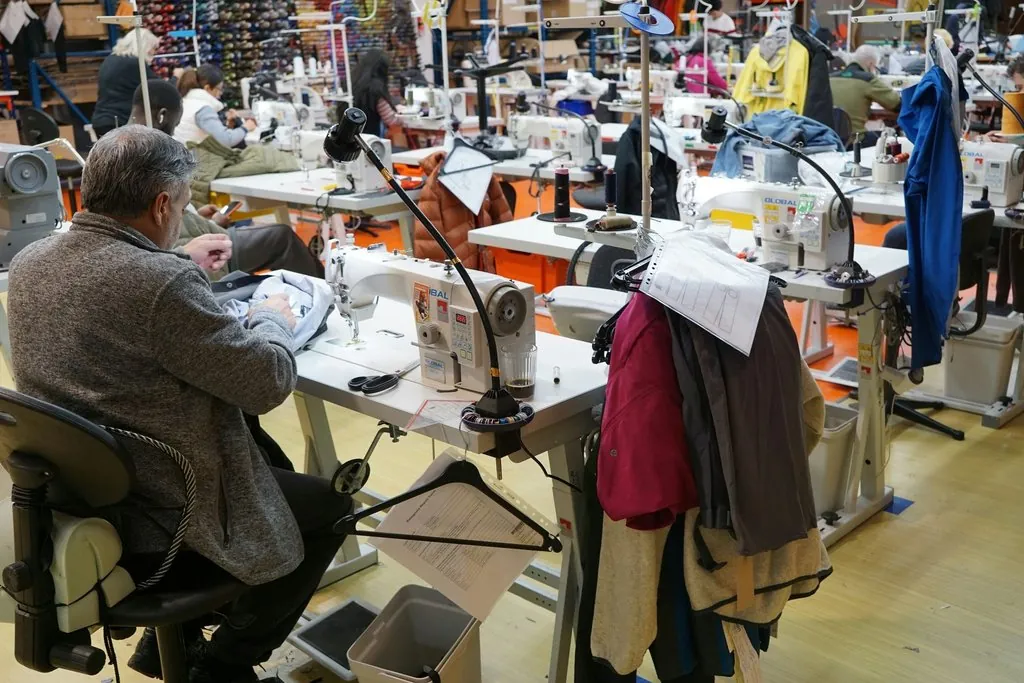
Diesel for the generator, gas for the boiler, fuel for your own vehicles — recorded as it is consumed, against the production unit that consumed it. It is a stock movement like any other, which is why it is a number rather than an estimate at year end.
Scope 2
What you buy as electricity
Meter readings per unit and per period, so consumption sits against the floor that used it rather than against the company as a whole. A line that draws more than it should shows up while you can still do something about it.
Scope 3
Everything upstream and downstream — and most of the total
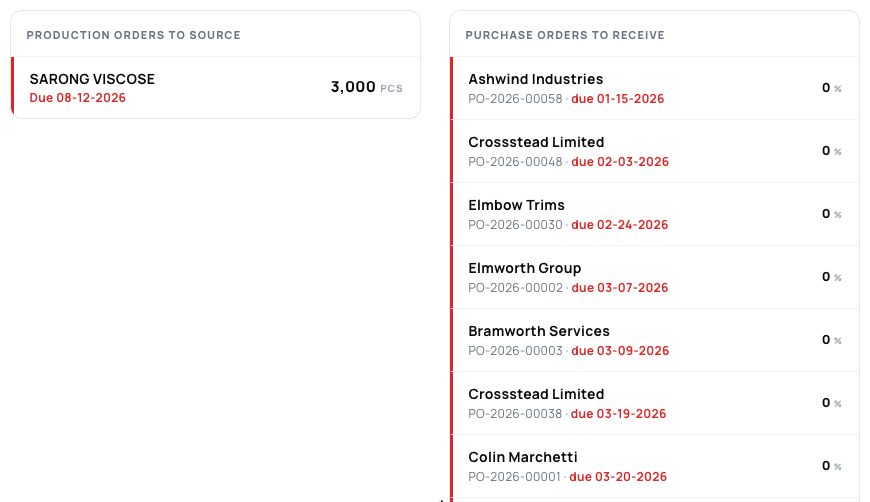
Purchased fabric and trims by weight and supplier, inbound and outbound freight, operations you subcontract, and waste by disposal route. For a garment factory this is the large majority of the footprint, and all of it is already documents in the system rather than a survey somebody has to run.
Waste
Waste as a material, not as a loss
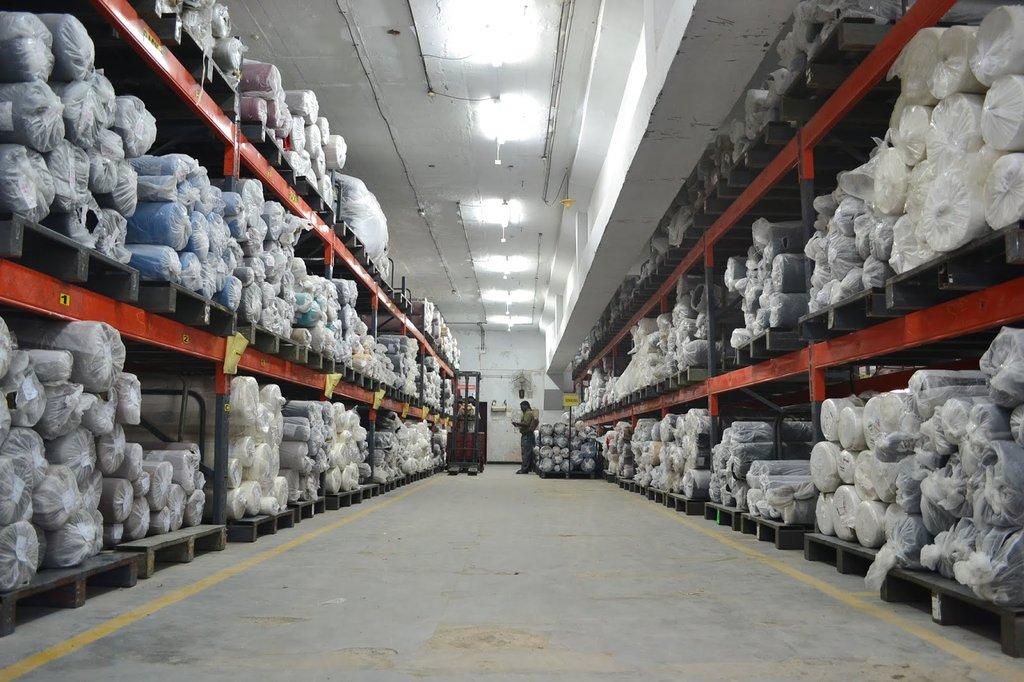
Cutting waste, rejects and offcuts are recorded as stock with a route — recycled, sold, or scrapped — instead of vanishing into a variance. INDOPAR recycles and sells 97% of its waste, which is a revenue line as well as an environmental one.
Allocation
Per garment, not only per year
Energy, freight and waste attach to the same orders and batches that carry the cost. An emissions figure can follow the allocation the cost sheet already uses — which is what a buyer asking for a per-style number actually wants.
LEED Platinum · 87 points
INDOPAR, Capiatá, Paraguay — the first textile factory in Latin America to certify, and ISO 9001. 60% less energy. 97% of waste recycled and sold. It runs on GarmentFlow ERP.
Where the numbers come from
There is no separate sustainability module, and that is the point. The fuel is a stock movement, the fabric is a purchase, the freight is on the receipt, the waste is a stock entry and the output is a production batch. Measuring the factory is a report over records it already keeps.
Questions
Does this certify us?
No. Certification is awarded by an assessor against a standard, and no software can give it to you. What this gives you is the measured data those assessments and your buyers ask for — from a factory that holds LEED Platinum and ISO 9001 and runs on it.
Do you calculate the emission factors?
The factors are yours to set: they differ by country, by grid and by year, and an assessor will want to see which you used. The system holds the activity data they multiply — litres, kilowatt-hours, kilograms, tonne-kilometres — against the order and the unit that produced it.
Our buyer wants a figure per style.
Energy, freight and waste attach to the same orders and batches that carry the cost, so the allocation can follow the basis your cost sheet already uses.
Priced by the size of your factory, not per user
Unlimited users on unlimited devices, every plan.
- Studio $179
- Factory M $450
- Factory L $900
- Factory XL $1,800
- Enterprise talk to us
Book a walkthrough
See your factory in GarmentFlow ERP.
Twenty minutes, no slides, a real factory's data on screen. We reply within one business day.
Faster on WhatsApp?
Message us →